Furniture assembly
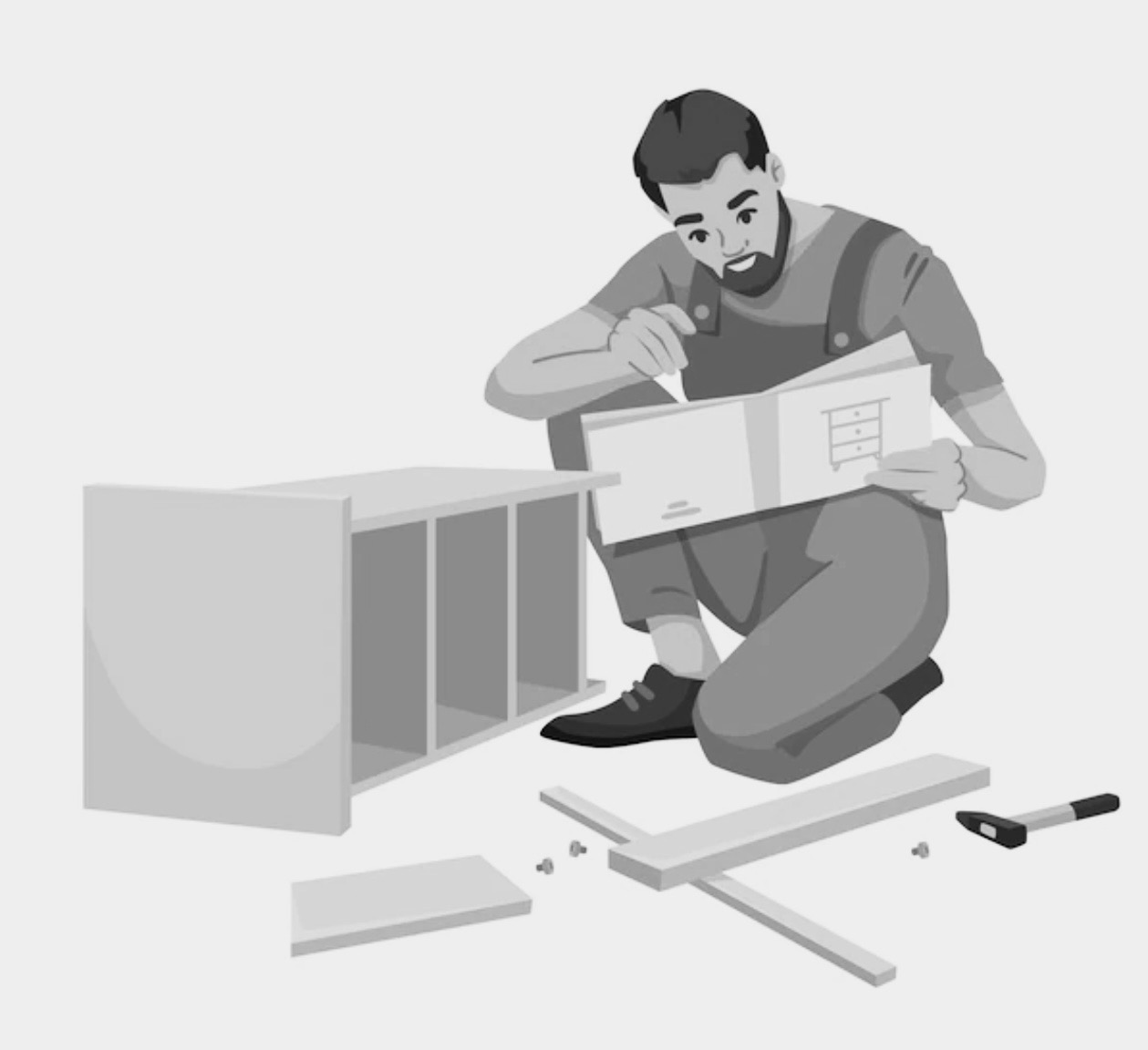
Assembling flat-pack furniture, particularly from global giants like IKEA, has become a rite of passage for the modern homeowner, but it is a task that sits at the intersection of home improvement and psychological endurance. While the appeal of an affordable Billy bookcase or a sleek Malm bed frame is undeniable, the reality of unboxing these items is often overwhelming. Each piece arrives in a heavy, compact box filled with dozens of indistinguishable wooden panels, hundreds of cam locks, and instruction manuals that rely entirely on cryptic illustrations rather than written guidance. For the uninitiated, what looks like a simple afternoon project can quickly devolve into a chaotic scene of misaligned boards and "extra" screws that suggest a structural integrity issue waiting to happen.
The complexity of IKEA assembly lies in its precision and repetition. A single mistake in step three—such as installing a drawer slide backward or flipping a particle-board panel so the unfinished edge faces forward—can necessitate dismantling the entire unit hours later. This "IKEA effect," where the labor of assembly is meant to instill pride, often results in frustration, strained relationships, and physical strain. Professional assembly requires not just a hammer and a screwdriver, but a deep understanding of torque management to avoid stripping soft composite wood and the spatial awareness to navigate large frames in small rooms. Without the right experience, a DIY attempt frequently leads to wobbly furniture that doesn't sit flush against the wall or drawers that stick and grind.
Hiring a professional handyman to manage furniture assembly is an investment in both the longevity of your furniture and your own mental well-being. A pro arrives with a specialized toolkit, including power drivers with adjustable clutch settings to prevent over-tightening and rubber mallets for snug, damage-free joints. They have the "muscle memory" of having built hundreds of Pax wardrobes or Kallax units, allowing them to identify common pitfalls instantly. By delegating this task, you ensure that your furniture is structurally sound, perfectly leveled, and safe—especially critical for tall units that require secure wall anchoring to prevent tip-over accidents. Ultimately, paying for assembly turns a high-stress weekend chore into a turnkey experience, allowing you to enjoy your new space without the literal and figurative headache of doing it yourself.